Joining a donor trip to a humanitarian project site is a responsible choice when the organization can demonstrate verified local partnerships, transparent financial practices, and a structured on-the-ground safety protocol before you ever book a flight. The right credibility indicators are specific and confirmable — not just reassuring language on a website. Organizations that have built genuine operational maturity in the field will welcome your questions and answer them with detail, not deflection.
What organizational transparency markers signal a trustworthy humanitarian trip?
A credible humanitarian organization separates project funds from administrative expenses and can show you exactly how donations move. Before committing to any donor trip, ask for a clear breakdown of how project-related donations are allocated. Impact Others Inc. sends 100 percent of project-related donations directly to the projects — administrative expenses are kept intentionally low compared to most nonprofits. That kind of financial discipline is a structural commitment, not a marketing claim, and it's the kind of answer you should expect from any organization you're considering traveling with.
Beyond finances, look for:
-
Published project locations — not vague regional references, but named communities and countries where work is actively happening
-
Named local partners — organizations operating in-country who can independently verify the work
-
Documented program types — water access, food distribution, orphanages, education programs, business development, toy drives — specifics that can be cross-referenced
-
A track record of hosting donors on-site — this is not a new experiment for them
If an organization cannot answer these questions in writing before your trip, that absence is itself an answer.
How do you verify that a humanitarian organization's local partnerships are real?
Local partnerships are the infrastructure that makes a donor trip safe and meaningful. An organization working in multiple countries without embedded local relationships is operating on assumption, not experience. Real partnerships mean local staff who know the terrain, community leaders who have agreed to host visitors, and established relationships with regional authorities where necessary.
When evaluating an organization's local network, ask directly:
-
Who are your in-country partners, and how long have you worked with them?
-
Are there local staff or guides present throughout the trip, or are visitors managed entirely by traveling staff?
Impact Others Inc. works with partners across multiple countries, providing water, food, orphanages, business opportunities, and education programs. That breadth of programming reflects years of relationship-building — not a one-time project drop. Donors who travel with Impact Others Inc. are visiting communities where the organization already has standing, trust, and an active presence. That continuity is a safety indicator in itself.
What on-the-ground safety protocols should a humanitarian organization have in place?
Safety on a donor trip is not just about physical security — it encompasses health preparation, communication infrastructure, and a clear plan if something changes on the ground. Before you travel, a responsible organization should be able to walk you through each of these areas:
Safety AreaWhat to Ask ForHealth preparationRecommended vaccinations, medical kit protocols, access to local medical careCommunicationEmergency contact procedures, in-country point of contact available throughout the tripItinerary structureConfirmed schedule with built-in flexibility for local conditionsTraveler briefingPre-trip orientation covering cultural expectations, what to bring, and what to expectContingency planningWhat happens if a project site becomes inaccessible or a situation changes
An organization that has hosted donors before will have answers to all of these without hesitation. If the response is improvised or vague, that's a meaningful signal about operational readiness.
The goal of a well-run donor trip is not to insulate you from the reality of what communities face — it's to let you witness that reality with enough structure around you that you can stay focused on the experience, not manage logistics or uncertainty alone.
How do donor trips actually change the relationship between a giver and their giving?
Most donors give without ever seeing where their generosity lands. That distance can make giving feel transactional over time — a recurring charge on a card rather than a connection to real people in real places. Donor trips close that gap in a way that no report or photo ever fully can.
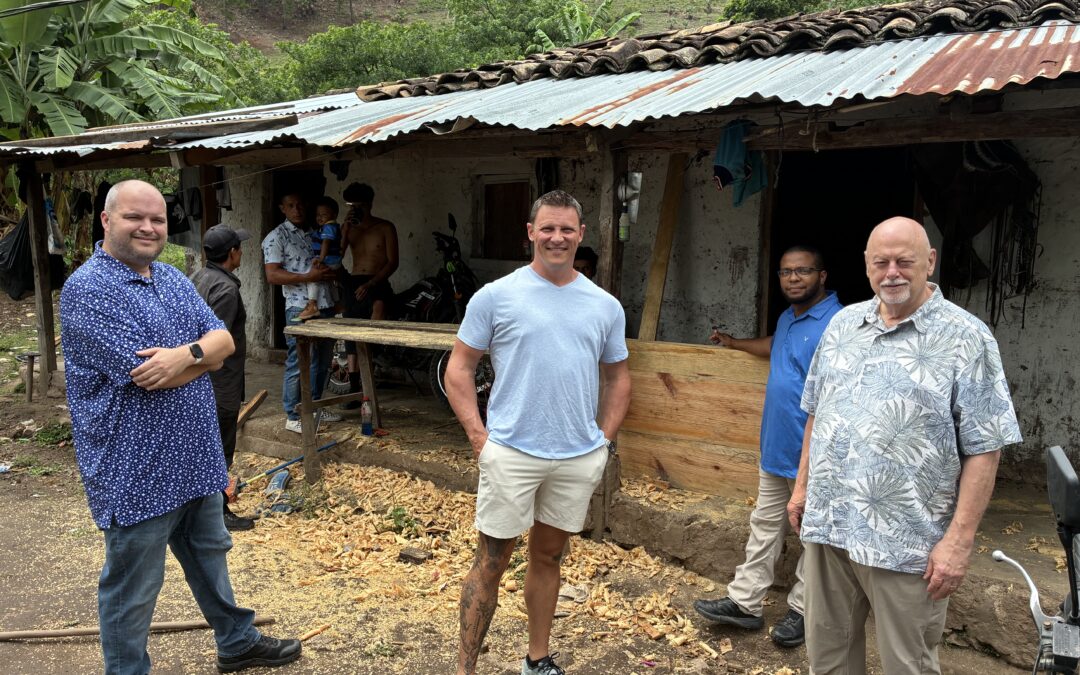
When a donor stands next to a clean water source their contributions helped build, or sits with children in an orphanage that exists because people chose to give — that experience reshapes how they understand their own purpose. It answers the question that many generous people carry quietly: Does this actually matter?
Impact Others Inc. takes donors to project locations specifically because that answer needs to be experienced, not just reported. Donors who travel with the organization return with a different relationship to their giving — not because the trip was comfortable or easy, but because it was real. The communities are real. The need is real. And the work being done to address it is verifiable because you saw it yourself.
This is what it means for giving to become more than a transaction. It becomes a partnership — between the donor, the organization, and the people being served.
How do you confirm a nonprofit is credible before a donor trip?
The most reliable confirmation comes from combining financial transparency with operational specificity. Review the organization's public financial information, ask for a direct conversation with staff who have managed previous donor trips, and request references from past travelers if possible. An organization that has nothing to hide will make that process straightforward.
Impact Others Inc. is built around the principle that donors deserve to see the work firsthand. The donor trips page and contact information for trip registration are the right starting point for anyone ready to ask those questions directly and get real answers.
Checklist
-
Ask for a written financial breakdown showing how project-related donations are separated from administrative expenses before committing to any donor trip.
-
Request the names of in-country partners and ask how long the organization has worked with them — longevity and specificity both matter.
-
Confirm a pre-trip safety briefing exists covering health preparation, emergency contacts, and contingency plans for changing conditions.
-
Verify the organization has hosted previous donor trips to the same or similar locations — ask to speak with a past traveler if possible.
-
Review the specific programs at the project site — water, food, orphanages, education, business development — and confirm they are active, not planned.
-
Trust your questions — a credible humanitarian organization will answer them with detail; vague or deflecting responses are a credibility signal worth taking seriously.
FAQ
What should I ask a nonprofit before joining a donor trip to a project site?
Ask for a clear breakdown of how donations are allocated, the names of in-country partners, a description of the safety protocols in place, and whether previous donor trips have been hosted at the same location. A credible organization will answer each of these with specifics, not general reassurances. If financial transparency is not offered readily, that is worth noting before you commit.
How do I know if a humanitarian organization's local partnerships are legitimate?
Legitimate local partnerships are named, verifiable, and longstanding. Ask the organization to identify who their in-country partners are, how long those relationships have existed, and whether local community leaders have input into how donor visits are structured. Organizations with genuine operational presence in a country will answer these questions without hesitation and often with visible pride in those relationships.
Is it safe to travel to humanitarian project sites as a donor?
Donor trips to humanitarian project sites can be safe when the hosting organization has embedded local relationships, a structured pre-trip briefing, clear emergency protocols, and experience hosting previous travelers. Safety is not about avoiding all discomfort — it is about having the right infrastructure around you so that the experience is meaningful rather than unmanaged. Always confirm these protocols exist before booking.
What financial transparency markers should I look for in a nonprofit I want to travel with?
Look for a clear, documented separation between project-related donations and administrative expenses. Impact Others Inc. sends 100 percent of project-related donations directly to the projects, with administrative expenses kept intentionally low compared to most nonprofits. Any organization you consider traveling with should be able to show you comparable financial clarity — not just a general statement that funds are used responsibly.
What is the difference between a donor trip and a volunteer trip?
A donor trip is structured around giving existing supporters the opportunity to witness and experience the work their contributions fund, in the actual communities being served. A volunteer trip typically involves hands-on work as the primary purpose. Both can be meaningful, but a donor trip is specifically designed to deepen a giver's connection to the impact of their generosity — not to provide labor.
How does seeing a project in person change how donors give?
Donors who visit project sites consistently report a stronger sense of purpose and a deeper commitment to ongoing giving. Witnessing the reality of a community's need — and the genuine progress being made — makes the act of giving feel concrete rather than abstract. It transforms a financial transaction into a partnership with real people in real places.
Can I verify that a nonprofit's projects are real before I travel?
Yes. Ask for named project locations, documentation of active programs, references from past travelers, and the names of local partner organizations. A credible nonprofit will provide these without resistance. Impact Others Inc. operates programs across multiple countries — including water access, food distribution, orphanages, education, and business opportunity programs — and welcomes the kind of direct questions that confirm the work is exactly what it claims to be.
Giving generously is one thing. Knowing your generosity is real, verifiable, and landing where it was meant to land — that is something else entirely. If you are ready to ask the hard questions and see the answers for yourself, Impact Others Inc. is ready to have that conversation.
Reach out directly at info@impactothers.com, call 2196780669, or visit us at 5885 Cumming Hwy, Ste 108347, Sugar Hill, GA 30518. The donor trips page is the right place to start if you want to move from giving at a distance to standing in the middle of the work you helped make possible.