When donors ask how Impact Others Inc. selects the organizations it works with in each country, the direct answer is this: every local partner goes through a relationship-based evaluation process that examines financial accountability, community standing, and a track record of delivering real results before a single dollar moves. This is not a form-based approval system – it is a deliberate, ongoing process of trust-building that protects both donors and the communities being served.
That distinction matters. Funding humanitarian work through local partners is only as reliable as the partners themselves. Impact Others Inc. connects donors with trusted local partners worldwide so every act of generosity reaches the people who need it most.
What Does the Local Partner Vetting Process Actually Look Like?
The local partner vetting process at Impact Others Inc. is built around three core questions: Does this organization have a verifiable presence in the community? Can it demonstrate financial accountability? And does it have a history of following through on commitments?
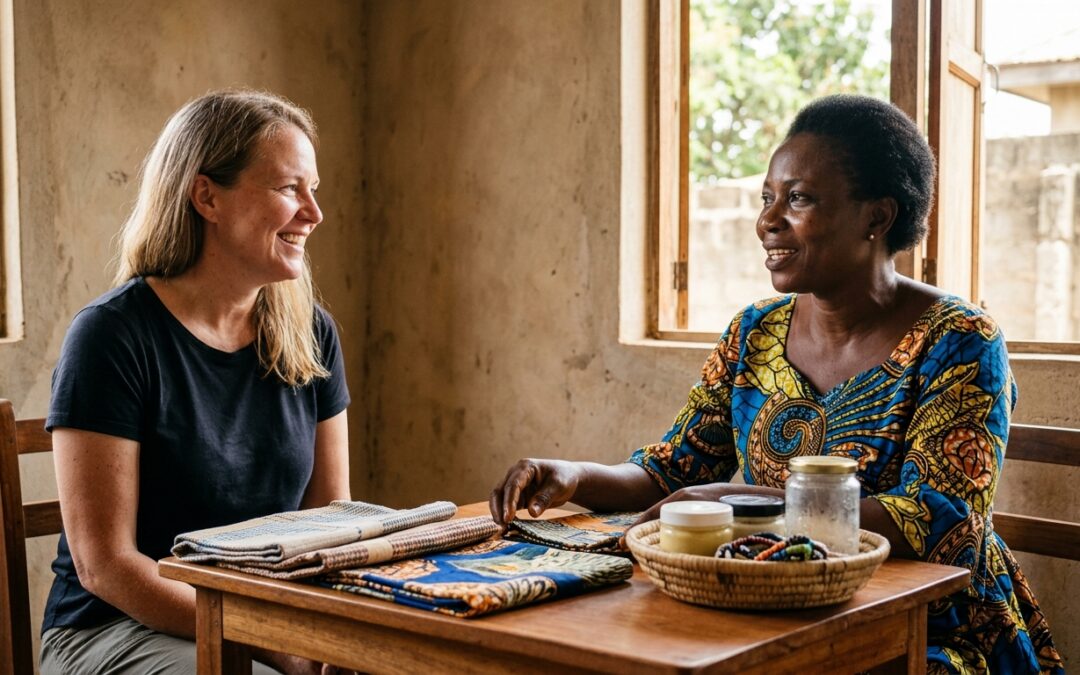
Before any partnership is formalized, Impact Others evaluates a prospective partner's community relationships, leadership credibility, and operational history. This is not a background check run from a desk in the United States – it involves direct contact, references from people on the ground, and in many cases, firsthand observation of how the organization operates in its local context.
Partners are active in countries including Ghana, Peru, Brazil, Mexico, Guyana, Nigeria, Honduras, India, Egypt, Colombia, Thailand and more. Each context is different. A partner managing a feeding program in Nigeria operates in a different regulatory, cultural, and logistical environment than one supporting orphanage care in Honduras. Impact Others evaluates each partner within that specific context rather than applying a single universal checklist that ignores local realities.
The goal is not to find organizations that look good on paper. The goal is to find organizations that are already trusted by the people they serve – and then to resource them well.
How Does Impact Others Monitor Partners After a Project Begins?
Vetting does not stop when a partnership begins. Impact Others receives regular financial and project updates from its local partners throughout the life of each project. These updates feed into independent bookkeeping maintained by Impact Others, and monthly financials are reviewed by the board.
This structure creates a clear line of accountability. Local partners manage the projects and their own field expenses. Impact Others manages the funds, tracks how they are used, and communicates progress back to donors. The two roles are deliberately separated – Impact Others does not supervise construction crews or manage field logistics, but it does verify that funds sent to partners are being used for the purposes donors intended.
For donors who want to understand donor impact reporting and how often they hear back on their giving, this structure is what makes consistent communication possible. There is a documented paper trail on both sides – Impact Others and the local partner – which means questions about fund usage can be answered with specifics, not estimates.
This ongoing monitoring is also what allows Impact Others to identify when a project is not progressing as expected, and to work with the partner to understand why. Accountability is not a one-time gate at the beginning – it is a continuous relationship.
What Standards Must a Local Partner Meet to Stay in Good Standing?
Partners are expected to maintain transparency in how funds are used, deliver timely financial documentation, and keep Impact Others informed of meaningful changes in project scope or conditions on the ground. These are not aspirational standards – they are working expectations built into how the partnership functions.
Impact Others sends 100 percent of project-related donations directly to the project. Administrative expenses are kept very low compared to most nonprofits. That financial model only works when local partners are genuinely accountable, because there is no large overhead buffer to absorb mismanagement. The lean structure creates a natural incentive on both sides to keep the relationship honest.
This is also why Impact Others takes donors on trips to project locations. Seeing the work firsthand is one of the most direct forms of partner accountability available. When donors visit a feeding program in Colombia or an orphanage in Thailand, they are not just being inspired – they are participating in a verification process. Real estate developers Julie and Steve Williams described this directly after joining a trip to Guadalajara: "One of the things we love about Impact Others is that you get to participate firsthand. You can be as involved as you want, but the great thing is you actually get to see the incredible work being done around the world."
That kind of access is only possible when local partners are confident in what they are doing and how they are doing it.
How Does This Compare to How Larger Nonprofits Manage Local Partners?
Many larger nonprofits work through intermediary layers – regional offices, subcontractors, or grant-making processes that put significant distance between a donor's contribution and the work happening on the ground. The vetting in those models often happens at an institutional level, governed by compliance requirements rather than relationships.
Impact Others operates differently. The partner relationships are direct, the financial flow goes straight from Impact Others to the local partner without passing through multiple organizational layers, and the accountability loop runs back to the same board that reviews monthly financials. There is no structural reason for funds to get diluted or redirected in transit.
For donors who are comparing options, understanding how to verify a charity is legitimate is a useful starting point – but the real question is not just whether an organization is legitimate, it is whether the organizations it funds are legitimate too. That second layer of accountability is where Impact Others focuses significant attention.
The results from that approach are visible in the work. In 2025, a one-week medical outreach clinic in Ghana provided medical and vision care to more than 2,100 people. In Nigeria, seven widows received financial assistance to launch small businesses, creating real pathways toward long-term economic independence. These outcomes depend entirely on local partners who know their communities, have the trust of the people they serve, and operate with the kind of integrity that makes Impact Others confident putting donor funds in their hands.
What Does This Mean for Donors Considering Regular Support?
For a donor thinking about recurring monthly giving or project-specific funding, the local partner vetting process is the foundation everything else rests on. The quality of a donation's impact is directly tied to the quality of the organization receiving the funds on the ground.
Impact Others does not claim to control every outcome – field conditions change, projects face unexpected challenges, and local partners are independent organizations making their own decisions. What Impact Others does control is who it chooses to work with, how carefully it monitors those relationships, and how honestly it communicates both progress and setbacks back to donors.
If you are ready to give with that kind of confidence behind your generosity, the Donate page is the place to start.
Reach the Impact Others Inc. team directly at 2196780669, by email at info@impactothers.com, or by mail at 5885 Cumming Hwy Ste 108347, Sugar Hill, GA 30518.
Checklist
-
Before giving to any nonprofit that works through local partners, ask specifically how those partners are selected, monitored, and held accountable – not just whether they exist.
-
Ask Impact Others Inc. about a specific country or project to understand which local partner is involved and what their track record looks like in that region.
-
Review the monthly financial structure: Impact Others reports financials to its board monthly and maintains independent bookkeeping – ask to understand how this protects your donation.
-
Consider a donor trip: seeing a local partner's work in person is one of the most direct ways to verify that humanitarian aid is reaching the people it is intended for.
-
Look for the 100 percent project donation commitment: when evaluating any humanitarian aid organization, confirm what percentage of your gift actually reaches the project versus covering overhead.
-
Ask what happens if a project does not go as planned: a trustworthy organization will have a clear answer – Impact Others has a documented process for exactly this situation.
FAQ
How does Impact Others decide which local partners to trust with donor funds?
Impact Others evaluates prospective partners based on their community standing, leadership credibility, operational history, and financial accountability – not just paperwork. The process involves direct contact, ground-level references, and in many cases firsthand observation of how the organization works within its specific country and cultural context.
Who oversees the local partners once a project is funded and underway?
Impact Others receives regular financial and project updates from local partners throughout each project. Those updates feed into independent bookkeeping reviewed by the Impact Others board on a monthly basis. Local partners manage field operations; Impact Others manages and tracks the funds and keeps donors informed of progress.
Which countries do Impact Others' local partners currently operate in?
Impact Others works with local partners in Ghana, Nigeria, Honduras, India, Egypt, Colombia, and Thailand, as well as supporting foster care and community programs in the United States. Each partnership is evaluated within the specific context of that country rather than through a one-size-fits-all vetting model.
What happens if a local partner stops meeting Impact Others' standards?
Impact Others maintains ongoing accountability expectations as a condition of partnership – not a one-time approval. If a partner is not meeting financial transparency or communication standards, Impact Others addresses it directly. Donors can also ask about this process before committing to a project.
Where can I actually see the work a local partner is doing?
Impact Others takes donors on trips to project locations so they can observe the work firsthand. Past trips have included visits to projects in Guadalajara and other partner countries. This direct access is part of how Impact Others maintains accountability and gives donors a real connection to the communities their generosity is supporting.
Is the local partner vetting process at Impact Others different from how large nonprofits work?
Yes, in a meaningful way. Many larger nonprofits work through multiple institutional layers between the donor and the ground-level work. Impact Others sends funds directly to local partners with no intermediary layers, and the accountability loop runs back to the same small board that reviews monthly financials – creating a tighter, more transparent structure.
How do I know a local partner is actually using the funds for the intended purpose?
Impact Others requires regular financial documentation from local partners, maintains independent bookkeeping on its own side, and communicates project progress back to donors. The 100 percent project donation commitment means there is no large administrative buffer – both Impact Others and its local partners have a strong mutual interest in keeping the financial relationship clean and transparent.