Getting personally involved with your DAF giving is more achievable than most donors realize. The most direct path is choosing nonprofit partners that actively welcome you into the work – through site visits, ongoing project communication, and real community connection – rather than organizations that simply acknowledge your grant and go silent.
For DAF holders who feel like anonymous check-writers, that shift from transactional to relational giving starts with one decision: directing your grants toward organizations structured around donor engagement, not just donor acquisition.
Why Does DAF Giving So Often Feel Transactional?
DAF giving can feel distant by design. According to the Internal Revenue Service, a donor-advised fund is maintained and operated by a section 501(c)(3) sponsoring organization, and the donor retains only advisory privileges over distributions after the contribution is made. That structure puts a layer between you and the work – the sponsoring institution processes the grant, the nonprofit receives the funds, and there is rarely a built-in mechanism for what happens next.
Most nonprofits are set up to receive grants, not to integrate donors into their field operations. So unless a nonprofit specifically builds donor engagement into how it operates, you end up with a confirmation email and a year-end summary. That is not a relationship – it is a receipt.
The fix is not to change how DAFs work structurally. It is to be more deliberate about choosing causes for your DAF grants and selecting partners that treat your involvement as part of the mission, not an afterthought.
What Does Personal Involvement in Humanitarian Work Actually Look Like?
Personal involvement can take several forms, and the right one depends on how much time and proximity you want.
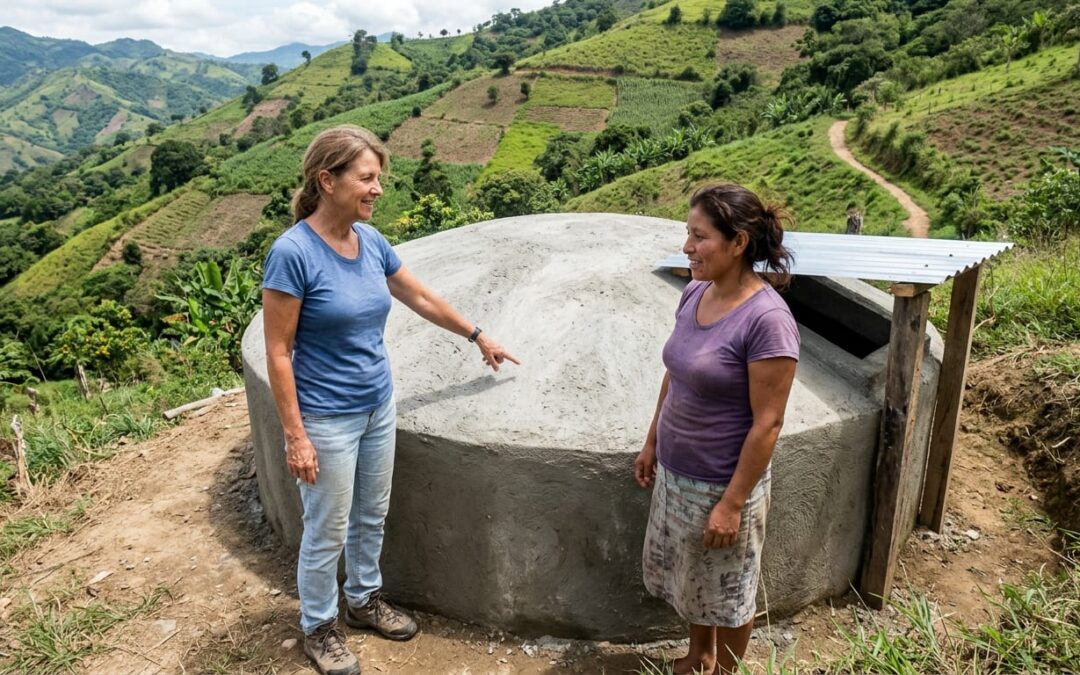
Site visits to active project locations. The most direct form of involvement is traveling to see the work yourself. Some humanitarian organizations bring donors into the field – to water projects, feeding centers, orphanages, or small business training programs – so you can meet the local teams and the communities being served. This is a chance to observe, ask questions, and build a first-hand understanding of what your grants are actually funding.
One donor who traveled to the mountains of Honduras with Impact Others Inc. described crossing four rivers on the trek to reach a remote community. In his own words: "The overall experience has just been incredible… I think I spent my first night crying. I woke up the next morning and cried after hearing John's stories, getting to meet kids at the first feeding center, experiencing things firsthand."
He added: "Anything and everything you can give will go to the utmost use here."
Ongoing project communication. Personal involvement does not require international travel. Organizations that share photos, field updates, and project milestones let donors stay connected between visits. When you can see a water cistern completed, a feeding center serving children, or a sewing center training women for income – with real documentation from the field – your grant becomes a living thing, not a closed transaction.
Community and events. Some organizations host annual gatherings where donors meet each other, hear directly from field partners, and see the cumulative results of collective giving. That kind of community builds a sense of shared mission that a grant confirmation never could.
How Do You Evaluate Whether a Nonprofit Will Actually Keep You Involved?
Not every nonprofit that claims to be "transparent" will keep you genuinely connected. Before directing a DAF grant, it is worth asking specific questions rather than accepting general language about impact.
| What to Ask | What a Strong Answer Looks Like |
|---|---|
| Do you offer donor site visits to project locations? | Yes – with specific logistics and examples of past trips |
| How do you communicate project progress to donors? | Photos, field updates, and documented milestones |
| What percentage of project-related donations goes directly to the project? | 100%, with administrative costs covered separately |
| Can I meet the local partners managing the work? | Yes – field partners are named and accessible |
The most telling signal is whether a nonprofit can show you something real: a photo from the field, a donor who visited, a local partner you can learn about. Vague language about "impact" without specifics is a sign that engagement is more marketing than practice.
Organizations with genuinely low overhead nonprofits structure tend to have more of the grant dollar working in the field – which also means there is more real activity to show donors.
What Should DAF Donors Expect When They Visit a Project in 2026?
Site visits to humanitarian projects in 2026 are more accessible and better documented than they were even a few years ago. Field organizations have learned that donor visits strengthen long-term giving relationships, so many now plan them deliberately rather than treating them as exceptions.
When visiting a project through a well-run humanitarian organization, donors can typically expect:
- Coordination with the local partner team who manages the day-to-day work
- Access to multiple program areas – water, food, education, or small business – in a single trip
- Direct conversations with community members and local staff
- Photo and video documentation of what they observed, which they can share with family or their financial advisor
A pair of real estate developers who joined a trip to Guadalajara through Impact Others Inc. described it this way: "One of the things we love about Impact Others is that you get to participate firsthand. You can be as involved as you want, but the great thing is you actually get to see the incredible work being done around the world."
That firsthand verification matters especially for DAF holders who want to evaluate whether a nonprofit aligns with your personal values and giving goals before committing to a long-term grant relationship.
What Makes Relational Giving Different From Transactional Giving?
Relational giving is not about being more emotionally attached to your grants – it is about having enough information and access to make better decisions over time.
When you visit a project, you understand what the local team can actually absorb and use. When you see a feeding center serving children, you can judge whether expanding it makes sense. When you meet the women in a sewing center, you understand the economic context in ways no written summary conveys. That knowledge makes you a more effective giver, not just a more satisfied one.
It also changes how you involve others. Donors who have visited projects bring family members on subsequent trips, introduce the work to their financial advisors, and become advocates in their own networks – not because they were asked to, but because they have something real to share.
Impact Others Inc. funds clean water, food, education, and orphanages through trusted local partners – and invites supporters to visit the work in person. That combination of verified stewardship and direct donor access is what moves giving from transactional to genuinely relational.
For donors ready to take that step, the Giving section / How It Works page walks through how grants are directed, how local partners are selected, and how site visits are coordinated.
Checklist
- Ask directly: Before sending a DAF grant, ask the nonprofit whether they offer donor site visits and what that process looks like – a clear, specific answer is a good sign.
- Look for field documentation: Request photos, updates, or examples of past project milestones before committing, not after.
- Verify the overhead structure: Confirm what percentage of project-related donations reaches the project itself; a humanitarian nonprofit with low administrative costs has more field activity to show you.
- Consider bringing family: Site visits are more meaningful and more lasting when shared – many DAF donors bring a spouse, adult children, or a close advisor on their first trip.
- Connect your financial advisor: If your DAF strategy involves larger or recurring grants, loop in your advisor so they can help you incorporate philanthropy into financial planning in a way that fits your broader goals.
- Start small, then deepen: A single site visit or one project connection often leads to a longer, more intentional giving relationship – you do not have to commit to everything at once.
FAQ
Who should consider getting personally involved with their DAF giving, rather than just sending grants?
DAF holders who feel disconnected from the results of their giving – or who want their philanthropy to reflect something more than a tax strategy – are the best candidates for relational giving. It is also a strong fit for donors who want to involve family members in their giving decisions, or who are looking to deepen their commitment to a specific cause area like clean water, food security, or education.
Which types of nonprofits are set up to support donor site visits and ongoing engagement?
Humanitarian organizations with active field operations and trusted local partners are best positioned to offer genuine donor engagement. Organizations that fund projects through vetted local teams – rather than managing construction or field operations themselves – tend to have more flexibility to bring donors into the work without interfering with it. Look for nonprofits that can name their local partners and show documented project activity, not just a general program description.
How much does it typically cost to visit a humanitarian project as a donor?
The cost of a donor site visit varies based on destination, trip length, and whether the organizing nonprofit coordinates logistics or leaves travel to the donor. What matters most is understanding what is included: whether local partner introductions are arranged, which project sites are accessible, and what documentation donors receive from the visit. Ask the nonprofit directly what a typical trip looks like before planning anything.
What happens if I can't travel – are there other ways to stay connected to the projects my DAF funds?
Yes. Donors who cannot travel can still stay meaningfully connected through field photos, project updates, and community events hosted by the nonprofit. Some organizations hold annual gatherings where donors hear directly from field partners and see cumulative results. The key is choosing a nonprofit that builds these touchpoints into how it operates, rather than treating donor communication as optional.
Where do Impact Others Inc. donor site visits actually take place?
Impact Others Inc. operates through trusted local partners in countries including Honduras, Nigeria, Ghana, India, Egypt, Colombia, and Thailand, as well as foster care work in the United States. Donor visits have taken place across multiple program areas – including water projects, feeding centers, and small business training – so the destination and program focus can align with what matters most to each donor.
If you are ready to move past transactional giving and see the work your DAF supports with your own eyes, Impact Others Inc. welcomes that conversation. Reach out directly at info@impactothers.com, call 2196780669, or write to 5885 Cumming Hwy Ste 108347, Sugar Hill GA 30518.