Choosing where to direct your giving is one of the most personal decisions a donor makes. The short answer: the right humanitarian need is the one that connects most deeply with your own values, experiences, and sense of purpose – and there is no wrong starting point. What matters is that your giving is intentional, not scattered. Understanding what each type of need actually involves, and what your support makes possible, is the best way to find that alignment.
Impact Others Inc. funds clean water, food, orphanages, education, and new business opportunities through trusted local partners, so donors find real purpose in their giving. Each of those program areas addresses a distinct, urgent reality – and each one draws a different kind of donor.
What Are the Main Humanitarian Needs You Can Fund?
There are five core areas where Impact Others Inc. channels donor support, plus a seasonal program that has proven deeply meaningful to many supporters. Each addresses a different dimension of human need.
| Program Area | What It Addresses | Who It Reaches |
|---|---|---|
| Clean Water | Unsafe water sources, waterborne illness, long daily walks to collect water | Rural communities, children, families |
| Food / Feeding Centers | Hunger, malnutrition, food insecurity | Children, vulnerable families |
| Orphanages | Abandoned, orphaned, or vulnerable children needing safe housing | Children without family care |
| Education | Lack of access to schooling, skills, and economic mobility | Children and young adults |
| Business Opportunities | Extreme poverty, no income pathways, economic dependency | Adults and young adults seeking self-sufficiency |
| Toy Drives | Isolation, illness, disability, and lack of childhood joy | Children in difficult circumstances |
The need behind each of these is real and ongoing. A donor who understands the difference between them is far better positioned to give with conviction rather than obligation.
How Do You Know Which Need Matches Your Values?
The most reliable signal is your own story. Ask yourself: what kind of suffering, when you encounter it, makes you feel compelled to act rather than just sympathetic? That instinct is worth following.
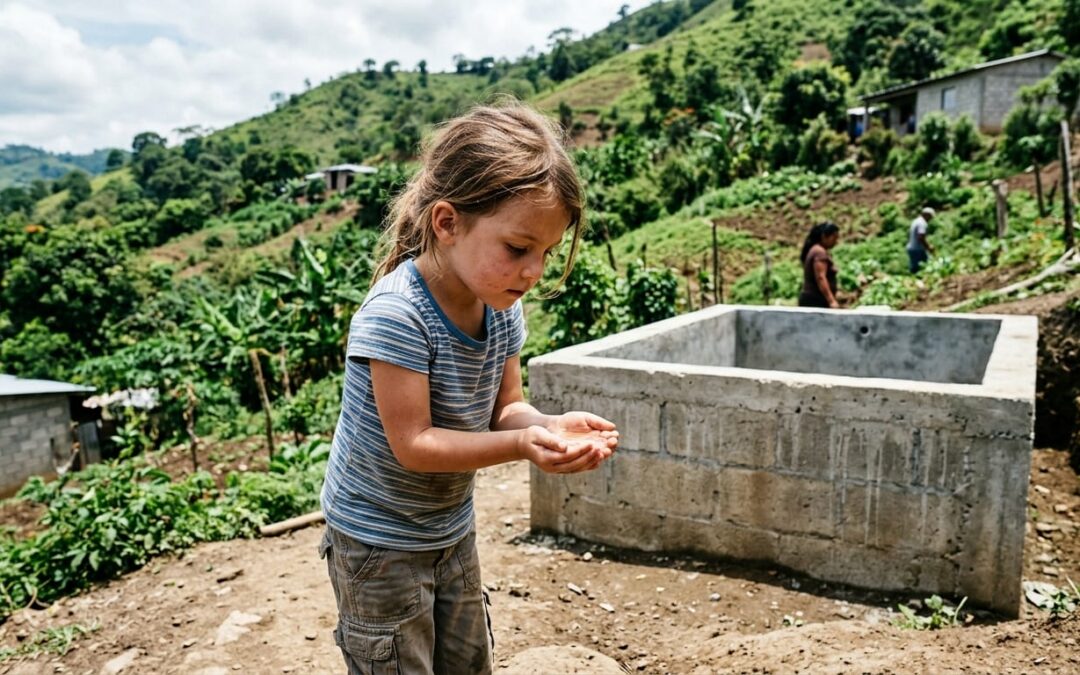
Some donors are drawn to clean water because the connection between contaminated water and preventable illness is concrete and measurable. A young community member supported by an Impact Others Inc. project described the change simply: "We used to fetch water from this stream. It is polluted water with cattle and other animals. Now since we have this clean water we don't have to travel far to get the water." That kind of tangible, daily difference resonates with donors who want to see a direct line between their gift and a changed daily reality.
Others are drawn to food and feeding centers because hunger is immediate – it cannot wait. One supporter, after hearing a firsthand account of children at a feeding center placing their plates upside down because there was not enough food, said: "It means so much knowing that each one of us is contributing. We may each play a very small part, but every part is critical to the mission." That kind of emotional clarity – knowing your giving feeds a child today – is what drives many food program supporters.
Donors who feel called to orphanage support are often motivated by a belief that every child deserves safety, consistency, and the experience of being cared for. One supporter described attending a master class with young adults at an orphanage in Guadalajara, Mexico: "It was truly impactful." That experience of seeing young people grow and thrive – not just survive – is what keeps orphanage supporters engaged long-term.
Education and business opportunity giving tends to attract donors who think about root causes. If your instinct is to ask "what would help this community not need outside help in ten years?" – those two areas are worth exploring seriously.
And the toy drive program occupies a category of its own. One outreach reached 360 children, many living with sickness, disability, or abandonment. For donors who want to give joy and dignity – not just survival resources – that kind of program carries a weight that goes beyond any single metric.
What Is the Difference Between Giving to Immediate Needs vs. Long-Term Change?
This is a genuine trade-off worth thinking through honestly, not a question with a single right answer.
Immediate needs – food, clean water, toys – address suffering that is happening right now. A child who is hungry today cannot wait for a development program to mature. These programs are also among the most emotionally clear: you can picture the impact, and trusted local partners can document it in concrete terms. Donors who want to feel connected to a specific, visible outcome often find the most satisfaction here.
Long-term change programs – education, business opportunities – operate on a different timeline. They are less immediately dramatic, but they address the conditions that create vulnerability in the first place. A small business started by a parent changes the economic reality of an entire family. A young adult who completes an education program is less likely to need emergency food assistance five years from now. Donors who are energized by the idea of building something that outlasts any single gift often gravitate here.
Many donors support both. There is no rule that says your giving must be confined to one lane. But if you are deciding where to start, matching your first gift to your strongest instinct is the move that builds lasting commitment.
Does It Matter Which Country or Region Your Giving Reaches?
For some donors, geography matters a great deal. For others, the program type matters more than the location. Both approaches are valid.
Impact Others Inc. works through trusted local partners across multiple countries, which means the same program type – a feeding center, a water project, an orphanage – may be operating in very different cultural and geographic contexts. The infrastructure, the community dynamics, and the specific challenges all vary by location.
If you have a personal connection to a particular region – through heritage, travel, or relationships – that connection can deepen your sense of engagement with the work. If you are newer to giving, starting with the program type that resonates most strongly, regardless of location, is often the more sustainable path.
One donor who traveled with Impact Others Inc. to Honduras described the experience of seeing water cistern projects and feeding centers firsthand: "It is very difficult to have a complete understanding until you physically put your hands on it." That kind of direct encounter – available through donor site visits – is one of the most reliable ways to discover which cause truly calls you.
What Does It Cost to Fund Each Type of Project, and How Does That Shape Your Decision?
Impact Others Inc. operates on a model where 100% of project-related donations go directly to the project. Administrative costs are kept intentionally low, which means the question of cost is really a question of scale rather than efficiency.
What drives the cost of any given project is the nature of the work itself: a clean water installation involves physical infrastructure, materials, and labor coordinated by local partners. A feeding center involves ongoing food procurement and distribution. An orphanage involves staffing, housing, and daily care. A business opportunity program involves training, seed resources, and follow-up support.
The practical implication for donors is this: if you want your gift to fund a discrete, completed outcome, infrastructure projects like water installations lend themselves to that framing. If you want your giving to be part of an ongoing, sustaining commitment, food programs and orphanage support are structured around continuity. If you are exploring how to start giving to a humanitarian nonprofit without overextending, monthly giving toward any of these programs allows you to build meaningful support over time rather than all at once.
How Do You Align Your Giving With Your Values Right Now in 2026?
The humanitarian space in 2026 reflects needs that have not diminished: food insecurity, lack of clean water access, and children without stable care remain among the most persistent global challenges. What has changed is the quality of information available to donors – and the expectation that giving should feel purposeful, not passive.
The most effective alignment process is honest self-reflection followed by a concrete first step. Think about which of these questions produces the strongest response in you:
- When you imagine a child without safe water, does that feel urgent?
- When you think about a family that cannot feed its children, do you feel compelled to act?
- When you picture a child growing up without a stable home, does that feel like something you want to change?
- When you consider a young adult who has no economic path forward, does building that path feel meaningful?
Whichever question lands hardest is probably your starting point. The goal is not to find the "most important" need in the abstract – every one of these is genuinely important. The goal is to find the need that connects to something real in you, because that connection is what turns a one-time gift into sustained, purposeful giving.
You can also explore the Impact Others Inc. project overview page to see active programs across all areas before you decide.
Checklist
- Identify your instinct first. Before researching programs, ask yourself which type of suffering – hunger, unsafe water, children without homes, lack of education, no economic opportunity – feels most urgent to you personally.
- Match your giving style to the program type. If you want a defined, completed outcome, infrastructure projects (water, feeding centers) fit that preference. If you want ongoing connection, orphanage and education programs are built for continuity.
- Consider a donor site visit. Impact Others Inc. offers supporters the opportunity to travel to funded project locations – one of the most reliable ways to discover which humanitarian need genuinely calls you.
- Start with one program area, then expand. Trying to support every cause at once often leads to giving that feels scattered. A focused first commitment builds the kind of purpose that sustains long-term generosity.
- Ask what your giving would look like in five years. Choosing a humanitarian nonprofit that funds multiple program types means your giving can evolve as your values and capacity grow.
- Use the 100% model as your baseline. When evaluating where to give, confirm that project-related donations reach the project directly – Impact Others Inc. sends 100% of those funds to the work, with no overhead taken from designated gifts.
FAQ
Which humanitarian need is most urgent right now?
Every program area – clean water, food, orphanages, education, and business opportunities – addresses a need that is ongoing and serious. There is no single "most urgent" answer that applies universally. What matters more for a donor is which need they can support with sustained commitment, because consistent giving over time does more than a single large gift made without a clear connection.
Who should give to a food program vs. a water program?
Donors drawn to food programs are often motivated by the immediacy of hunger – the knowledge that a child is going without a meal today. Donors drawn to water programs tend to respond to the compounding nature of unsafe water: illness, time lost collecting water, and long-term health consequences. Both are legitimate and important. If you are unsure, a donor site visit to a feeding center or a water project is one of the clearest ways to discover which one resonates most.
Which program type is best for someone who wants to give monthly?
Feeding centers and orphanage support are particularly well-suited to monthly giving because they involve ongoing operational needs – food procurement, daily care, staffing – rather than a one-time infrastructure build. Monthly donors to these programs provide the kind of predictable support that allows local partners to plan and sustain their work. Clean water projects can also benefit from recurring gifts when they are part of a multi-site expansion.
How do I know my donation reaches the right program?
Impact Others Inc. sends 100% of project-related donations directly to the designated project, managed by trusted local partners who are vetted before any funds are committed. Donors who want to see the work firsthand can join a site visit trip to funded project locations – a direct, firsthand form of accountability that goes beyond any document.
Does giving to education or business programs make less immediate impact than food or water?
Not less impact – different impact. Education and business opportunity programs operate on a longer timeline, but they address the underlying conditions that create vulnerability. A family with a viable small business is less likely to face food insecurity in future years. These programs appeal to donors who think in terms of root causes and long-term change rather than immediate relief. Both approaches are necessary; neither is more valuable than the other.
Where does Impact Others Inc. currently fund projects?
Impact Others Inc. works through trusted local partners across multiple countries, with programs spanning clean water, food and feeding centers, orphanages, education, and new business opportunities. The specific active locations vary as projects are funded and completed. Prospective donors can contact Impact Others Inc. directly to learn about current active programs and the regions they serve.
Choosing where to direct your giving is not a decision you need to get perfect on the first try. It is a process of paying attention to what moves you, then acting on it. If you want to talk through the program areas or learn about current active projects, reach out directly – the team at Impact Others Inc. is glad to help you find the fit that makes your giving feel like more than a transaction.
Reach Impact Others Inc. by phone at 2196780669, by email at info@impactothers.com, or by mail at 5885 Cumming Hwy Ste 108347, Sugar Hill, GA 30518.