Most nonprofits treat donors as funding sources. A nonprofit that treats donors as true partners gives them a meaningful role in the mission – not just a receipt and a thank-you letter. That distinction matters enormously to people who want their generosity to do more than clear their conscience.
The difference shows up in specific practices: whether donors can direct their gifts to projects they care about, whether they're invited to see the work firsthand, and whether 100% of project-related donations actually reach the people they're meant to help. Those aren't small details – they're the architecture of trust.
What Does Donor Partnership Actually Look Like in Practice?
A donor partnership is not a loyalty program or a giving tier. It's a relationship built on shared purpose, honest communication, and genuine involvement in the mission.
IssueLab describes donor partnership as a process that moves through real stages: laying the groundwork, clarifying the terms of the relationship, and building on shared experience over time. That framework maps closely to what separates transactional fundraising from something more meaningful.
In practice, partnership-based giving looks like this:
- You choose where your gift goes. You can designate donation to specific project areas – clean water, food programs, orphanages, education, new business opportunities – rather than dropping money into a general fund with no visibility.
- You're invited to see the work. Not through a polished video, but in person – crossing rivers in Honduras, visiting feeding centers in Guadalajara, meeting children whose lives have changed.
- Your donation reaches the project, not overhead. Impact Others Inc. sends 100% of project-related donations directly to projects. Administrative expenses are kept deliberately low.
That last point is what most donors never think to ask about – and what separates a partner from a funding source.
Why Do So Many Donors Feel Like ATMs Instead of Partners?
Industry-wide donor retention sits at about 45 percent, meaning fewer than half of all donors give again the following year. That's not a marketing problem. It's a relationship problem.
When giving feels transactional – a donation solicited, a tax receipt issued, silence until the next appeal – donors don't feel connected to the outcome. They gave money. They don't know what happened next. That gap erodes trust faster than any scandal could.
Bridgespan points to three practices that actually build donor relationships: segmenting donors by giving level and involvement, engaging them in ways that match their interests, and maintaining frequent, substantive communication. Most nonprofits do none of these consistently.
The donors who stay – who become true recurring partners – are the ones who feel seen. They know their gift had a specific purpose. They've heard from the people on the ground. Some of them have stood on that ground themselves.
What Does Firsthand Involvement Change for a Donor?
One donor who traveled to Honduras with Impact Others Inc. described the experience plainly: "I think I spent my first night crying. I woke up the next morning and cried after hearing John's stories, getting to meet kids at the first feeding center, experiencing things firsthand." He went on: "Anything and everything you can give will go to the utmost use here."
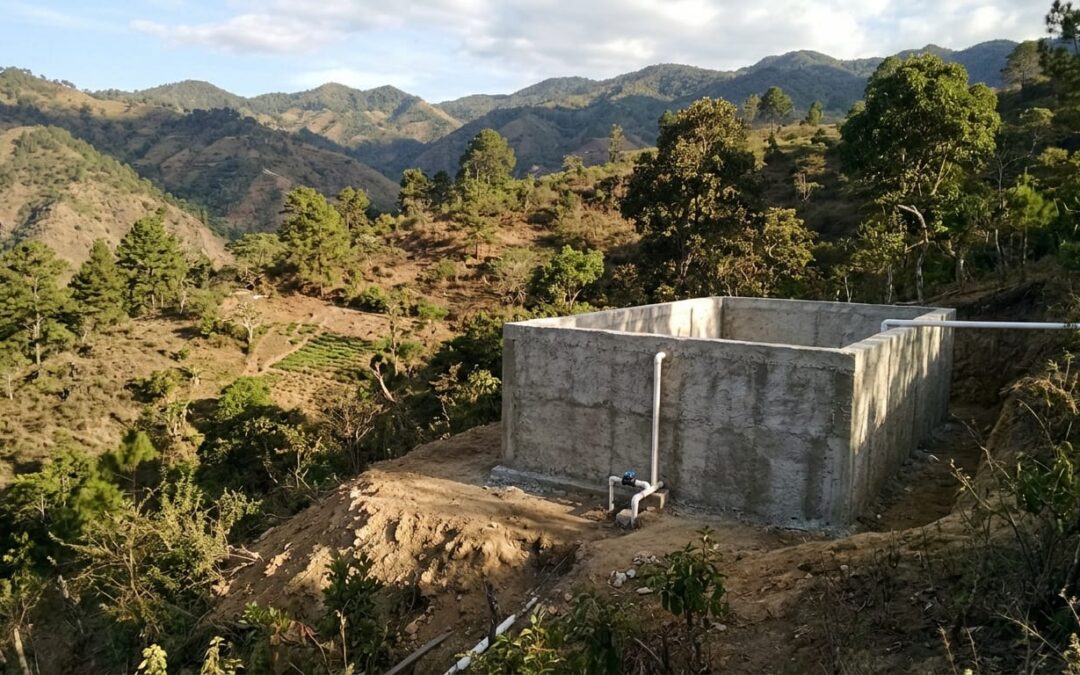
That kind of conviction doesn't come from a newsletter. It comes from donor trips to visit communities – from crossing four rivers to reach a mountain village, from watching a water cistern serve a community that used to carry water from a polluted stream.
A boy in Nigeria described the difference that clean water made: "We used to fetch water from this stream. It is polluted water with cattle and other animals. Now since we have this clean water we don't have to travel far to get the water."
That's what a donor partner gets to be part of. Not a transaction. A transformation – one they can witness with their own eyes.
Another donor, a real estate developer, put it this way: "One of the things we love about Impact Others is that you get to participate firsthand. You can be as involved as you want, but the great thing is you actually get to see the incredible work being done around the world."
How Do You Evaluate Whether a Nonprofit Truly Partners With Donors?
The question to ask isn't "do they say they value donors?" Every nonprofit says that. The question is what they actually do.
| What to look for | Transactional nonprofit | Partnership-based nonprofit |
|---|---|---|
| Fund allocation | General operating fund | 100% to designated projects |
| Donor involvement | Annual appeal, tax receipt | Site visits, project updates, direct communication |
| Gift direction | Organization decides | Donor can designate by project type |
| Connection to outcomes | Aggregate statistics | Specific stories, photos, firsthand access |
| Administrative transparency | Buried in filings | Openly stated, low overhead |
The key takeaway: partnership shows up in structural choices – where money goes, who gets invited, and whether donors can trace their gift to a real outcome.
When a donor named Mindy Tibbs committed to giving a percentage of every dollar her business earned, she framed it this way: "When I think about Impact Others, I picture my own children in a third-world country. If a business owner had the answer to what my child needed – whether it was clean water from a well, a sewing center, food, an orphanage, housing, or any of the other life-changing resources – would they give? That's why I partner with Impact Others."
That's the language of a partner, not a donor who received a receipt and moved on.
What Kind of Giving Relationship Gives Your Life Deeper Purpose?
The donors who describe their giving as meaningful – not just good – share a common thread. They know where their money went. They've seen the faces of the people it reached. They've made a commitment that repeats, because the relationship they've built is worth sustaining.
Impact Others Inc. connects everyday supporters with humanitarian work around the world, giving each gift a clear purpose and a real outcome to stand behind. That's the architecture of a partnership, not a transaction.
For people exploring local vs international giving and wondering which direction will feel most meaningful, the answer often comes down to connection – and connection is exactly what a true donor partnership is built to create.
If you're ready to move from one-time giving to an ongoing relationship with the mission, exploring the Become a Monthly Supporter option is a natural next step – it's how most long-term partners at Impact Others Inc. begin.
Checklist
- Ask any nonprofit directly: "What percentage of my donation reaches the project?" A genuine partner answers without hesitation.
- Look for a designated giving option – the ability to direct your gift toward clean water, food programs, orphanages, education, or new business opportunities rather than a general fund.
- Find out if the nonprofit offers donor site visits so you can see the work firsthand, not just read about it in a summary.
- Evaluate communication quality: Are you hearing specific stories and real outcomes, or only aggregate statistics and fundraising appeals?
- Consider becoming a recurring humanitarian nonprofit supporter – monthly giving deepens the relationship and gives your giving a sustained purpose rather than a one-time transaction.
- Ask yourself: Does this organization treat my involvement as a partnership, or does contact stop after the donation is processed?
FAQ
Who actually qualifies as a "donor partner" at a humanitarian nonprofit?
A donor partner is someone who gives with intention and stays engaged – not just someone who gives large amounts. At Impact Others Inc., partnership looks like recurring giving, involvement in choosing project areas, and the option to join donor trips to project sites in countries including Honduras, Nigeria, and Guadalajara. The relationship is defined by ongoing connection to real outcomes, not by gift size alone.
Which practices separate a true donor partnership from standard nonprofit fundraising?
The clearest markers are fund allocation, donor involvement, and access to outcomes. A partnership-based nonprofit sends 100% of project-related donations directly to projects, invites donors to visit project sites in person, and allows donors to designate gifts toward specific humanitarian needs – clean water, food, orphanages, education, or new business opportunities. Standard fundraising typically deposits gifts into a general fund with limited follow-up.
How do I know my donation actually reaches the project and not overhead?
Ask the nonprofit directly what percentage of project-related donations goes to the project – and whether that figure is independently maintained. Impact Others Inc. sends 100% of project-related donations directly to trusted local partners who manage the work. Administrative expenses are kept deliberately low compared to most nonprofits. Donors who join site visits can see the funded projects in person, which is the most direct form of accountability available.
What does it feel like to give to a nonprofit that genuinely treats you as a partner?
Donors who describe their giving as purposeful – rather than obligatory – consistently point to two things: they know where their money went, and they've had direct contact with the people or communities it reached. One donor described traveling to Honduras and visiting water cisterns and feeding centers: the experience changed how he understood giving entirely. That kind of connection is what distinguishes a partnership from a transaction.
Where do Impact Others Inc. donor site visits actually take place?
Impact Others Inc. takes donors to project locations in multiple countries, including Honduras, Nigeria, and Guadalajara, Mexico, among others. These trips allow donors to meet community members, see funded infrastructure like water cisterns and feeding centers, and experience the work of trusted local partners firsthand – not through a summary, but in person.
If you're looking for a giving relationship built on transparency, real outcomes, and genuine involvement in the mission, Impact Others Inc. welcomes that conversation. Reach out by phone at 2196780669, by email at info@impactothers.com, or by mail at 5885 Cumming Hwy Ste 108347, Sugar Hill, GA 30518. Partnership starts with a single step – and it's worth taking.