When donors ask how Impact Others Inc. selects international humanitarian projects, the short answer is: carefully, and through people already doing the work on the ground. Impact Others does not build projects from scratch or deploy its own field teams. Instead, the organization identifies and partners with trusted local organizations that have demonstrated track records, then funds them directly, maintains independent bookkeeping, and communicates project progress to donors. That structure is deliberate – and understanding it helps donors give with genuine confidence.
What Does the Partner Selection Process Actually Look Like?
Impact Others begins by identifying local organizations that are already embedded in their communities – groups that understand the culture, speak the language, and have earned the trust of the people they serve. That community-level trust is something an outside organization cannot import.
From there, the evaluation looks at several factors:
- Track record: Has this partner been doing this work consistently? What have they delivered, and can they demonstrate it?
- Leadership and accountability: Who runs the organization? Are they mission-driven, financially responsible, and transparent about how funds are used?
- Alignment with program areas: Does their work fall within Impact Others' core areas – clean water, food security, orphan care, education, medical aid, or small business development?
- Capacity to receive and deploy funds: Can this partner manage a grant responsibly and put it to work without administrative drag?
This is not a checkbox exercise. The relationships that make Impact Others' work possible are built over time, through direct contact, site visits, and ongoing communication with partners in Ghana, Nigeria, Honduras, India, Egypt, Colombia, and Thailand, as well as foster care work in the United States.
How Does Impact Others Maintain Accountability After a Project Starts?
Partner selection is the first gate, but stewardship is the ongoing one. Once a project is funded, Impact Others receives regular project updates from local partners and maintains independent bookkeeping on its end. Monthly financials are prepared and reviewed by the Impact Others board. That internal discipline exists precisely because donors deserve to know that the organization stewarding their grant dollars is running a tight ship.
Donors who want to go beyond documentation have another option entirely: they can visit the projects themselves. Impact Others takes donors on trips to project locations – not staged tours, but real site visits where donors walk the ground, meet the partners, and see the work firsthand.
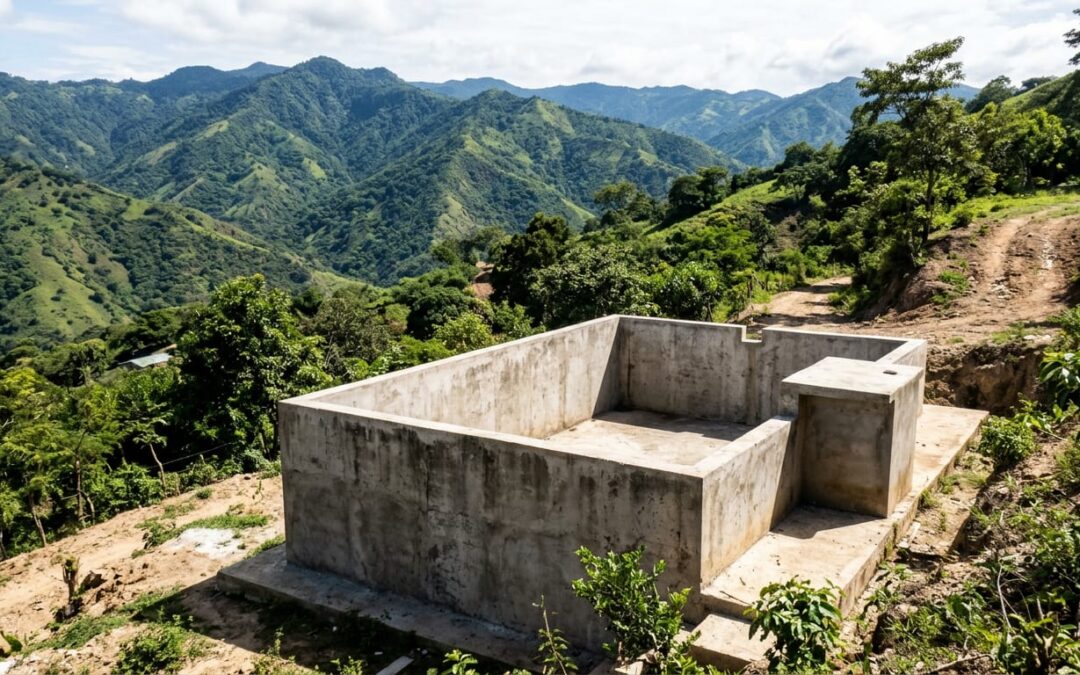
One donor who made that trip to Honduras described it this way: "I feel like it's very difficult to have a complete understanding until you physically put your hands on it… The work that they've done here is incredible from the water cisterns project that we visited and got to see to the amount of people that have been fed and continue to be fed on a daily basis."
That kind of direct verification is what separates a verifiable grant from a reported one. If you're wondering how to visit or get involved with nonprofits you fund, Impact Others builds that access into how it operates – not as a special exception.
How Does This Compare to Giving Through a Large Donor-Advised Fund Platform?
Many DAF holders direct grants through large national platforms that aggregate hundreds or thousands of nonprofits. Those platforms offer convenience, but they typically cannot tell a donor much about what a specific international project is doing right now, who is running it, or whether the local partner has been independently evaluated.
Impact Others operates differently. It is a funding and stewardship organization, not a marketplace. That means fewer projects, more scrutiny, and an ongoing relationship with each partner rather than a one-time grant transaction.
| Factor | Large DAF Platform | Impact Others Inc. |
|---|---|---|
| Partner vetting | Self-reported by nonprofits | Direct relationship, ongoing evaluation |
| Field visibility | Limited | Site visits available to donors |
| Administrative overhead | Varies widely | Among the lowest in the sector |
| Funds to project | Varies by nonprofit | 100% of project-related donations |
| Board oversight | Platform-level | Monthly financials reviewed by board |
The key takeaway: donors who want a grant recipient they can actually verify – not just trust on paper – need a different kind of organization than a grant marketplace provides.
For financial advisors evaluating options for clients, this distinction matters when the client's goal is how to measure humanitarian grant impact results rather than simply deploying DAF dollars before year-end.
What Does Vetting Look Like in Practice in 2026?
The vetting process in 2026 reflects the same core standards Impact Others has applied since its founding, but with deeper partner relationships and a broader geographic footprint. Current active partnerships span seven countries across four program areas.
When a new potential partner comes to Impact Others' attention – often through a referral from an existing trusted partner or through direct outreach in a region where a need has been identified – the evaluation process begins with direct conversation, not a form submission. Impact Others' leadership engages personally with the organization, asks hard questions about finances and governance, and looks for evidence of real community trust rather than polished marketing materials.
Projects that make it through that process are funded, monitored, and communicated to donors through project updates. Projects that do not meet the standard are declined, regardless of the cause's emotional appeal. That discipline protects donors and the communities Impact Others serves.
Impact Others Inc. funds clean water, food, education, and orphanages through trusted local partners – and invites supporters to visit the work in person.
How Does Trusting the Process Lead to Giving Strategically?
Donors who direct DAF grants to international humanitarian work are making a significant act of trust. They are sending funds across borders to communities they may never have visited, through organizations they may have only recently discovered. The vetting process exists to make that trust earned rather than assumed.
What makes Impact Others' approach worth examining is not a claim of perfection – it is the structure of accountability: direct partner relationships, independent bookkeeping, board-level oversight, and an open invitation for donors to come see the work themselves. For DAF holders and their advisors who want intentional giving backed by real verification, that structure is the answer.
To learn more about how Impact Others selects and stewards its projects, the How It Works page or About page walks through the organization's model in full detail.
If you're ready to ask questions or explore whether a DAF grant to Impact Others makes sense for your giving plan, reach out directly: call 2196780669, email info@impactothers.com, or write to 5885 Cumming Hwy Ste 108347, Sugar Hill GA 30518.
Checklist
- Ask any nonprofit you're considering: Who selects your local partners, and what criteria do they use? A credible organization will answer this specifically, not generally.
- Look for board-level oversight: Monthly financial review by an independent board is a meaningful signal that an organization takes stewardship seriously.
- Verify that 100% of project-related donations reach the project: Administrative expenses should be disclosed clearly – not buried in footnotes.
- Consider whether you can visit the project: Organizations that welcome donor site visits to international humanitarian projects have nothing to hide.
- Ask how long the partner relationship has existed: A multi-year relationship with a local partner carries more weight than a newly signed agreement.
- For financial advisors evaluating reputable nonprofits for DAF grants: Confirm that the organization maintains independent bookkeeping and communicates project progress to donors directly.
FAQ
How does Impact Others find its local partners in the first place?
Partners are typically identified through referrals from existing trusted relationships, direct outreach in regions where a documented need exists, or through Impact Others leadership's personal engagement in those communities. The process begins with direct conversation, not a form or application – Impact Others evaluates the people behind the organization as much as the organization itself.
Who reviews the financial side of Impact Others' projects?
Impact Others maintains independent bookkeeping and prepares monthly financials that are reviewed by its board of directors. The local partners who manage projects on the ground also provide regular project updates to Impact Others. That dual-layer structure – partner-level updates and board-level financial oversight – is how Impact Others maintains accountability on both ends.
Which countries and program areas does Impact Others currently fund?
As of 2026, Impact Others works with trusted local partners in Ghana, Nigeria, Honduras, India, Egypt, Colombia, and Thailand, plus foster care programs in the United States. Program areas include clean water, food security, orphan care, education, medical aid, and small business development. Not every partner operates in every program area – funding is matched to each partner's demonstrated capacity and community need.
What happens if a partner doesn't meet Impact Others' standards?
Partners that do not meet Impact Others' standards for financial accountability, governance, or community trust are declined – regardless of how compelling the cause appears. Maintaining that standard protects both donors and the communities the projects are meant to serve. The vetting process is ongoing, not a one-time approval.
Where can donors actually go to see a project in person?
Impact Others takes donors on trips to project locations across its active countries. These are real site visits – donors meet local partners, walk the project sites, and see the work directly. Past donor trips have included visits to water cistern projects and feeding centers in Honduras, among other locations. Contact Impact Others at info@impactothers.com to ask about upcoming trip opportunities.