
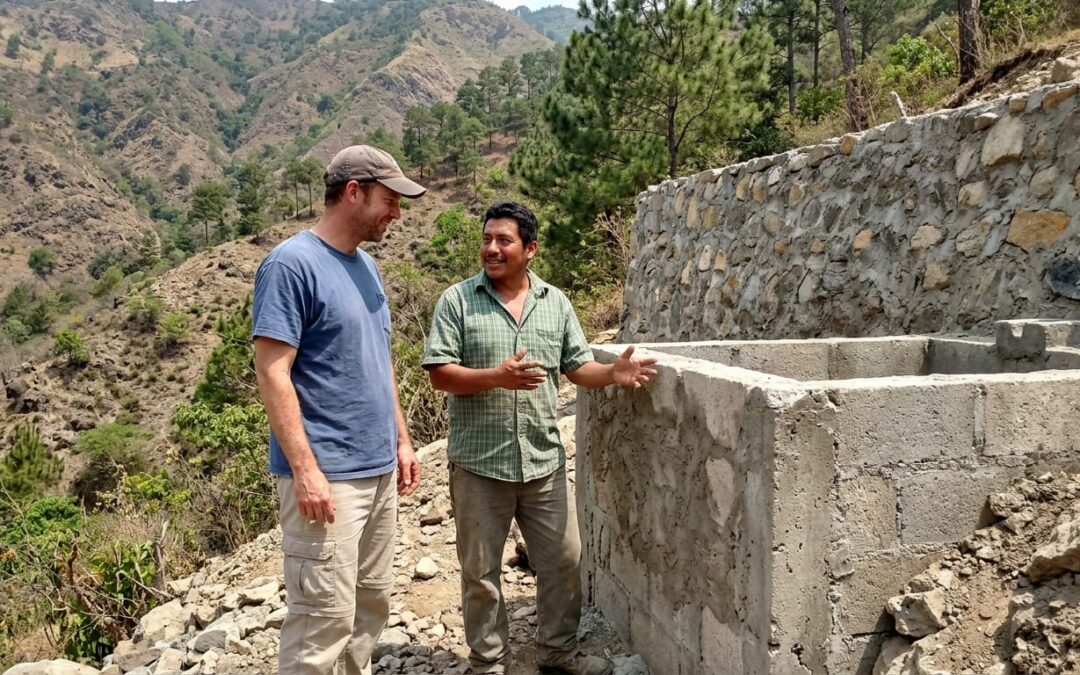
Requesting a nonprofit site visit is straightforward: contact the organization directly, explain that you want to see the project your grant supports, and ask about their donor trip schedule. A mission-oriented nonprofit will welcome that request. If they hesitate or redirect you to a brochure, that tells you something important about how they view their donors.
For DAF holders who want more than a thank-you letter, a site visit is one of the most honest ways to evaluate whether a nonprofit is genuinely accountable – and whether they see you as a mission partner rather than a transaction.
What Should You Actually Ask When Requesting a Site Visit?
The request itself is simple, but the questions you ask alongside it reveal a lot about the organization's culture. When you reach out, go beyond "can I visit?" and ask:
- Do you organize donor trips to project locations? Organizations that regularly bring donors into the field have built accountability into their model, not added it on as a PR exercise.
- Who will I meet on the ground? You want access to the local partners managing the work, not just a tour guide from headquarters.
- What will I be able to see? A water system, a feeding center, a small business startup – can you walk through it, talk to the people it serves, ask unscripted questions?
- How much does it cost to participate, and what is included? Trip costs vary based on destination, duration, and logistics. Ask what the participant covers and whether any portion of your travel costs flows to the project or stays separate.
According to U.S. Department of Justice, Office of Justice Programs guidance, site visits are intended to review capacity, performance, and real-world conditions – not just paperwork. Donors asking to see the same things are operating from the same logic.
How Does a Partnership-Oriented Nonprofit Treat Donor Visits Differently?
There is a meaningful difference between a nonprofit that tolerates site visits and one that builds them into its model. The distinction shows up in specifics.
A transactional organization may offer a curated tour with little direct access – polished, controlled, and designed to confirm what you already believe. A mission-driven organization invites you into the real version: the community, the local team, the progress and the gaps still left to close.
Impact Others Inc. takes donors on trips to project locations – Honduras, Mexico, India, and other countries where local partners are managing active work. Those trips are not observation-only. One donor, speaking from Guadalajara, Mexico after time with young adults at an orphanage, described it this way:
"One of the things we love about Impact Others is that you get to participate firsthand. You can be as involved as you want, but the great thing is you actually get to see the incredible work being done around the world. For us, it was a natural fit to become an Impact Others partner."
That kind of access – where you meet the people, see the project, and ask real questions – is what distinguishes stewardship from marketing.
NOAA IOOS monitoring guidance notes that site visits help determine whether a project is being executed according to its work plan and on schedule – and that they surface information written reports simply cannot capture. Donors deserve that same standard of verification.
What Makes a Site Visit Worth Your Time as a DAF Donor?
For donors directing grants through a Donor-Advised Fund, a site visit does something no document can: it converts an abstract grant into a grounded, personal understanding of where that money went and what it produced.
One donor who traveled into the mountains of Honduras described the experience this way:
"I feel like it's very difficult to have a complete understanding until you physically put your hands on it… I think I spent my first night crying. I woke up the next morning and cried after hearing John's stories, getting to meet kids at the first feeding center, experiencing things firsthand."
He went on: "The work that they've done here is incredible from the water cisterns project that we visited and got to see… if you have an opportunity to contribute, contribute. Anything and everything you can give will go to the utmost use here."
That is not a polished endorsement – it is what happens when a donor moves from writing a check to standing in the community their giving reached.
For DAF holders who want verifiable impact from their grants, a site visit is the most direct form of confirmation available. You are not reading about a well – you are standing next to it, talking to the family that uses it.
Through trusted local partners, Impact Others Inc. delivers clean water, food, education, and hope to communities around the world on behalf of supporters who want to make an impact.
How Do You Know If a Nonprofit Will Actually Welcome You as a Partner?
Before you book a flight, there are signals worth reading. A nonprofit that genuinely treats donors as mission partners will show it in how they communicate before, during, and after a visit – not just in the trip itself.
Look for these signs:
- They invite, not just allow. Organizations that actively schedule donor trips and communicate about upcoming opportunities are building partnership into their structure.
- 100% of project donations reach the project. When administrative costs are covered separately, donors know their grant is not being diluted. Impact Others Inc. sends 100 percent of project-related donations directly to the project itself.
- Local partners are visible and accessible. You should be able to meet the people managing the work, not just the people fundraising for it.
- Photos and documentation come back from the field. While Impact Others Inc. does not send donors regular financial breakdowns of project expenditures, donors can see project progress through photos, updates, and – most directly – by traveling to the site themselves.
For donors thinking through how to get personally involved with DAF giving, a site visit is often the moment the relationship shifts from philanthropic transaction to genuine collaboration.
The How It Works page on the Impact Others Inc. website outlines what the partner model looks like in practice – from how grants are directed to what donors can expect when they join a trip.
Checklist
- Ask directly whether the nonprofit organizes donor trips and what their schedule looks like for the current year.
- Request field-level access – not just a headquarters briefing – so you can meet the local team and the community they serve.
- Clarify what your grant funds before you visit, so you can evaluate what you see against what was promised.
- Look for nonprofits with low overhead where 100 percent of project donations reach the project, confirming your DAF grant is not being absorbed by administration.
- Bring a question you genuinely want answered – about the project, the community, or the organization's plans – and notice how openly it gets addressed on the ground.
- Follow up after the visit with a written note to the organization about what you observed; mission-driven nonprofits treat that feedback as useful, not threatening.
FAQ
Who should I contact at a nonprofit to request a site visit?
Start with the donor relations or partnerships team if the organization has one. For smaller nonprofits, reaching out directly to the executive director or program lead is appropriate. Be specific: explain that you are a current or prospective donor, describe the project area you care about, and ask whether they organize donor trips or can arrange a visit.
Which nonprofits are most likely to offer site visits to donors?
Organizations that operate through trusted local partners in the field – and that treat transparency as a structural commitment rather than a marketing tactic – are most likely to welcome donor visits. Nonprofits that direct 100 percent of project donations to the project itself, like Impact Others Inc., tend to have less to obscure and more to show.
How do I evaluate what I see during a nonprofit site visit?
According to NOAA IOOS monitoring guidance, site visits are useful for determining whether a project is being executed according to its work plan and on schedule. Bring that same lens: does what you see match what you were told? Are the local partners knowledgeable and accessible? Are the people the project serves present and able to speak freely?
What's the difference between a donor trip and a standard site visit?
A standard site visit is typically a formal review of project compliance and progress. A donor trip, as offered by organizations like Impact Others Inc., is designed for supporters to experience the work firsthand – meeting beneficiaries, seeing active projects, and understanding the community context. The goal is not just verification but genuine connection to the mission.
Is it reasonable to expect a nonprofit to cover my travel costs for a site visit?
Most nonprofits ask donors to cover their own travel and participation costs for field trips. What matters is that your donation to the project remains separate – going entirely to the work, not to subsidizing logistics. Ask the organization how trip costs are structured and confirm that your grant funds flow directly to the project, not to operational overhead.
If you are ready to see the work with your own eyes – not just read about it – Impact Others Inc. welcomes that conversation. Donor trips to active project locations are part of how the organization operates, and the invitation is genuine. Reach out at info@impactothers.com, call 2196780669, or write to 5885 Cumming Hwy Ste 108347, Sugar Hill, GA 30518.