
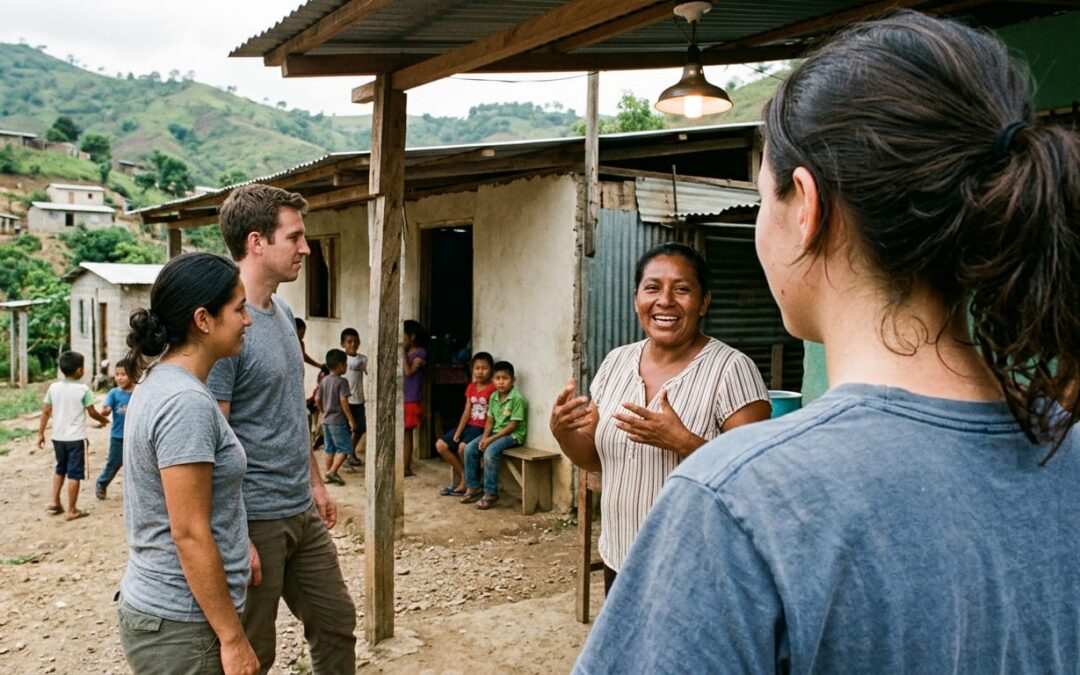
Some humanitarian organizations do take donors directly to project sites – and for givers who want more than a distant transaction, that access changes everything. A site visit turns a donation into a relationship, and a relationship into a commitment that lasts. Impact Others Inc. is one organization that takes donors on trips to its project locations in multiple countries, so supporters can see the work firsthand, meet the people their giving serves, and return home with a deeper sense of purpose.
If you're searching for that kind of connection, here's what to look for and what to ask before you book.
What Should You Look for in Organizations That Offer Donor Trips?
Not every organization that mentions "field visits" actually delivers meaningful access. The difference between a genuine donor trip and a staged photo opportunity comes down to a few specific factors.
- Direct access to project sites, not just briefings. Look for organizations that take donors into the actual communities – feeding centers, water projects, orphanages, small-business programs – not just conference rooms. The goal is to see the work where it happens.
- Trips led by someone with operational knowledge. A trip led by the organization's own leadership, someone who knows the local partners and the history of each project, gives you context that a tour guide cannot.
- Beneficiary dignity as a stated practice. Reputable organizations do not treat the people they serve as props. Ask whether the organization has protocols about photography, consent, and how beneficiaries are represented publicly.
- Small group sizes. Smaller groups allow for genuine conversation and observation, rather than a managed spectacle. They also reduce the burden on local communities.
- Honest framing of what you will and will not see. No organization can show you everything in one trip. An honest partner tells you upfront what a visit includes, what the limitations are, and what happens after you leave.
- A clear connection between the trip and ongoing giving. The best donor trips are not one-off experiences – they deepen a giving relationship that already exists or is about to begin.
What Does a Real Donor Trip to a Humanitarian Project Actually Feel Like?
One donor who traveled with Impact Others Inc. into the mountains of Honduras described crossing four rivers on the way to the project site. What he found when he arrived reshaped the way he understood humanitarian work entirely.
"I feel like it's very difficult to have a complete understanding until you physically put your hands on it," he said. "The impact that's been made here is just outstanding… I think I spent my first night crying. I woke up the next morning and cried after hearing John's stories, getting to meet kids at the first feeding center, experiencing things firsthand."
That kind of donor site visits to verify donations experience – where a supporter moves from skepticism to conviction in a matter of days – is what separates a site visit from a brochure. He went on to observe water cistern projects and feeding programs that continue to serve people daily. His conclusion: "Anything and everything you can give will go to the utmost use here."
Another donor who joined a trip to Guadalajara put it this way: "One of the things we love about Impact Others is that you get to participate firsthand. You can be as involved as you want, but the great thing is you actually get to see the incredible work being done around the world."
These are not polished testimonials produced for a campaign. They are what happens when a donor stops reading about impact and starts witnessing it.
How Do You Know the Organization Is Trustworthy Before You Travel?
Visiting a project site is a meaningful step – but vetting the organization before you go is equally important. Understanding donor trip credibility means looking past the website and asking harder questions.
Ask where the money goes. At Impact Others Inc., every dollar donated to a project goes directly to that project, so your generosity reaches the people who need it most. Administrative costs are kept deliberately low. That structure matters because it tells you the organization is built around the work, not around sustaining itself.
Ask who runs the projects on the ground. Impact Others Inc. does not build projects or manage field construction directly. The organization raises funds and sends them to trusted local partners who manage the work and their own expenses. Those partners provide regular project updates, which Impact Others Inc. reviews and communicates to donors. That model – funding and stewardship rather than direct management – is actually a mark of operational maturity, not a limitation.
Ask whether you can go and see for yourself. The U.S. Government Accountability Office has noted that site visits are an integral part of oversight and help physically verify project implementation. If an organization discourages donor visits or makes them impossible to arrange, that is worth noticing. Impact Others Inc. operates projects in Honduras, Ghana, Nigeria, India, Egypt, Colombia, and Thailand, and takes donors to those locations.
Look at how the organization talks about the people it serves. Organizations that portray beneficiaries as helpless or defined entirely by their circumstances are not approaching the work with the dignity it requires. Look for language that reflects the resilience and agency of the communities involved.
What Does It Cost to Join a Donor Trip, and Is It Worth It?
The cost of a donor trip varies based on destination, trip length, group size, and what is included. Because Impact Others Inc. operates across multiple countries – from Honduras to Thailand to West Africa – the logistics and pricing differ by trip. What drives cost is typically international airfare, in-country transportation (including overland travel to remote sites), accommodations, and meals.
Whether a donor trip is "worth it" depends on what you are weighing. If you are asking whether the experience changes how you give, the answer from donors who have made the trip is consistently yes. One donor described the moment children in the hills of Honduras began running toward the delivery truck before they even saw what was inside. What started as a logistics exercise became, in her words, "a celebration of hope." That kind of moment does not translate through a newsletter. It has to be lived.
If cost is a barrier, the donor field visits model still offers value at a distance – through documentation, photos, and project updates – but nothing replaces standing in the community you helped build.
How Do You Connect With an Organization That Takes You There?
For donors who want their giving to feel like a partnership rather than a transaction, the organizations worth trusting are the ones willing to show you everything – the progress, the challenges, and the people at the center of it all.
If that kind of purposeful travel resonates with you, check the Donor trips program or Visit Our Projects page on the Impact Others Inc. website to learn what trips are currently available and how to get involved.
To ask a direct question or start a conversation, reach out to the Impact Others Inc. team at info@impactothers.com, call 2196780669, or write to 5885 Cumming Hwy Ste 108347, Sugar Hill, GA 30518. The work is happening right now – and there is room for you in it.
FAQ
Who actually runs the projects when Impact Others Inc. sends donors on a trip?
Impact Others Inc. is a funding and stewardship organization. Trusted local partners in each country manage the projects and their own operations on the ground. When donors travel to a project site, they are meeting those local partners and seeing the communities those partners serve – not a team of American staff managing construction or field operations.
Which countries does Impact Others Inc. take donors to visit?
Impact Others Inc. operates humanitarian projects in Honduras, Ghana, Nigeria, India, Egypt, Colombia, and Thailand, as well as foster care work in the United States. Donor trips are organized to specific project locations within those countries, covering programs that include clean water, food and feeding centers, orphanages, and small-business opportunities.
How do humanitarian organizations protect the dignity of beneficiaries during donor visits?
Reputable organizations establish clear protocols around photography, consent, and how community members are represented publicly. Donors should ask before any trip whether the organization has a stated policy on beneficiary dignity and how it handles media or social sharing from the field. The way an organization answers that question tells you a great deal about how it approaches the work overall.
What should I bring or prepare before joining a humanitarian donor trip?
Preparation depends on the destination and the specific projects being visited. In general, donors should expect remote travel conditions, limited connectivity, and emotionally intense experiences. Most organizations that run donor trips provide a pre-trip briefing that covers logistics, cultural context, and what to expect on the ground. Asking for that briefing before you commit is a reasonable and welcome request.