Projects in humanitarian work do not always unfold the way anyone expects. When something goes wrong, a delayed well drill, a disrupted food supply, a construction setback at an orphanage, Impact Others Inc. does not go silent. The honest answer is that setbacks happen, and how a funding organization responds to them is one of the clearest signals of its integrity. Impact Others receives regular reports from local partners, communicates those updates to donors, and works with partners to redirect or adjust when a project runs into trouble.
That transparency is not a fallback position. It is the structure.
Why Do Humanitarian Projects Run Into Problems in the First Place?
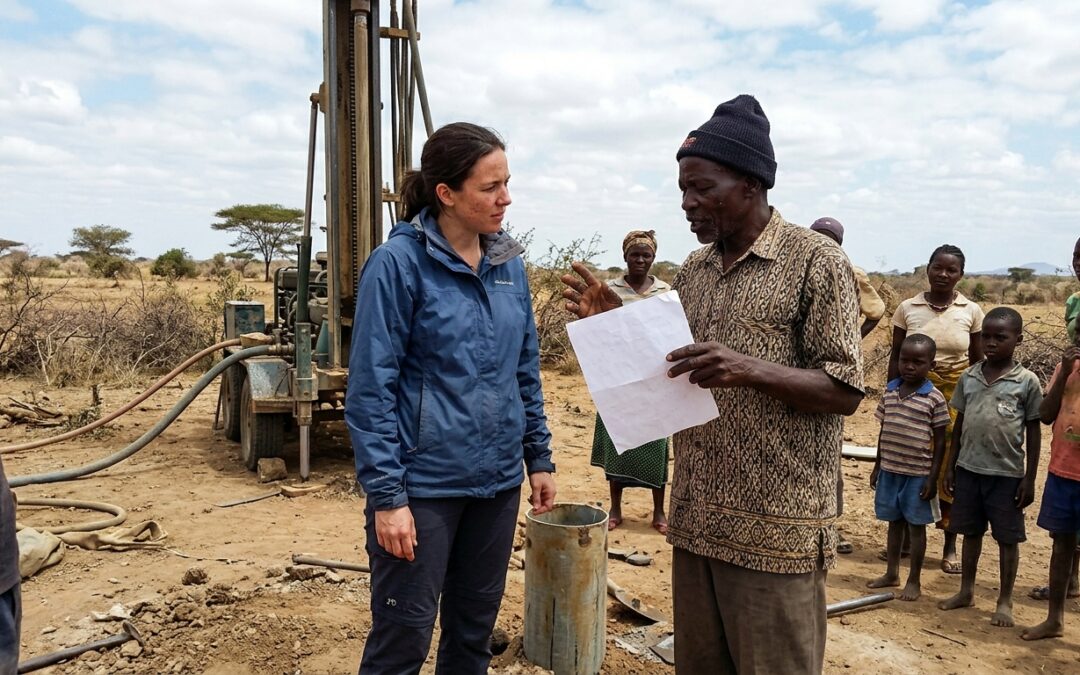
Humanitarian projects operate in some of the most logistically difficult environments in the world. A clean water well may hit unexpected geology. A feeding center may face a supply disruption. An orphanage build may stall due to weather, local permitting, or material shortages. These are not signs of negligence, they are the honest reality of working in under-resourced communities across multiple countries.
Impact Others Inc. is a funding and stewardship organization, not a construction manager or field supervisor. Local partners manage the on-the-ground work, their own teams, and their own operational expenses. That structure means the people closest to the problem, the ones who know the community, the terrain, and the relationships, are the ones making real-time decisions when something shifts.
What Impact Others brings to that dynamic is consistent communication, independent bookkeeping, and a board that reviews monthly financials. When a partner reports a setback, that information moves up the chain, not to create alarm, but to create an honest picture of where the project stands.
Understanding how Impact Others makes sure money reaches the people who need it helps explain why this reporting structure matters so much when things do not go as planned.
What Does Impact Others Actually Do When a Project Stalls?
When a project stalls, Impact Others relies on the same accountability framework it uses during normal operations, and that framework was built precisely for moments like these.
Local partners submit regular financial and project reports. Impact Others maintains independent bookkeeping separate from partner finances. The board reviews monthly financials. If a project is behind schedule, underfunded, or facing an obstacle, that information is documented, reviewed, and communicated.
From there, the response depends on the nature of the problem:
| Situation | Typical Response |
|---|---|
| Construction or drilling delay | Partner reports timeline adjustment; funds held until work resumes |
| Supply disruption (food, materials) | Partner identifies alternative sourcing; Impact Others monitors updated plan |
| Funding shortfall for a phase | Impact Others communicates gap to donors; pursues additional funding if needed. |
| Partner capacity issue | Impact Others reviews partner relationship and reporting; escalates if needed |
The key takeaway: donor funds are never quietly redirected to a different purpose. If designated project funds cannot be used as intended, that situation is disclosed, not absorbed into overhead or shifted without notice.
How Do Donors Find Out When Something Goes Wrong?
Donors who give to a specific project through Impact Others Inc. are not left to wonder. Project communication is part of the stewardship model. When a partner reports a significant development, positive or negative, Impact Others passes that information to donors.
This matters because the alternative, staying quiet until things improve, is exactly the kind of behavior that erodes trust between donors and organizations. One of the most common concerns donors raise before committing to regular giving is whether they will actually hear back when something does not go as expected. The answer at Impact Others is yes, because the reporting structure requires it.
One long-term partner couple put it plainly: "We've learned that it's important who you choose as a partner. We've chosen Impact Others. After meeting Eddie and seeing the integrity, the sustainability, and the boots-on-the-ground work, drilling wells, supporting feeding centers, and creating sewing centers, we decided to become partners."
That kind of trust is built by being the kind of organization that does not disappear when a project hits a wall.
For donors who want to understand the full picture of how funds are tracked and reported, the 100 percent of project donations commitment is the foundation that makes honest setback reporting possible, because funds are traceable, and their status is always known.
Does a Setback Mean the Donation Was Wasted?
No, and this distinction matters. A delayed project is not a failed donation. A setback in the field does not mean funds disappeared or were misused. In most cases, the work resumes, the partner adapts, and the project reaches its intended outcome on a revised timeline.
Impact Others Inc. works with vetted local partners who have established track records in their communities. These are not first-time operators. They have managed wells, feeding centers, orphanages, sewing centers, and other programs through difficult conditions before. A setback triggers a response from people who know the terrain, not a scramble from an outside organization trying to manage something it has never seen.
Mindy Tibbs, a four-year Impact Others partner, described her giving this way: "When I think about Impact Others, I picture my own children in a third-world country. If a business owner had the answer to what my child needed, whether it was clean water from a well, a sewing center, food, an orphanage, housing, or any of the other life-changing resources, would they give? That's why I partner with Impact Others. It's making a real difference."
That perspective captures something important. Giving to humanitarian work means accepting that the path is not always straight. What matters is whether the organization you trust with your generosity is honest about the path and committed to seeing it through.
What This Means for Anyone Considering Regular Giving
If you are thinking about becoming a recurring monthly donor or funding a specific project, the question of what happens when things go wrong is exactly the right one to ask. It reveals more about an organization's character than any polished success story.
Impact Others Inc. does not promise that every project will proceed without friction. What it does commit to is transparency when friction happens, through regular partner reporting, independent bookkeeping, monthly board financials, and direct donor communication. That structure exists whether a project is on track or off it.
For donors who want to go even further, Impact Others takes supporters on trips to project locations so they can see the work firsthand. That level of access is rare, and it reflects the same honesty that governs how setbacks are handled. If you are ready to give with that kind of clarity behind you, reach out directly.
Checklist
-
Ask any nonprofit you are considering: "What happens if a project is delayed or cannot be completed, how do you communicate that to donors?"
-
Look for independent bookkeeping separate from partner finances as a sign that funds are tracked at more than one level.
-
Confirm that designated project donations stay designated, funds should not be quietly redirected without donor notification.
-
Review how the organization reports to its board, monthly financial reviews signal that accountability is structural, not occasional.
-
Consider visiting a project site if the organization offers donor trips; seeing the work in person is the clearest way to verify how humanitarian project funding is actually used.
-
Read the partner vetting process before giving to a specific project, partners with established community relationships are better positioned to adapt when setbacks occur.
FAQ
What actually happens to my money if a project gets delayed?
If a project is delayed, Impact Others Inc. holds designated funds until the project can resume. Donor funds are not redirected to other uses without authorization. The local partner reports the situation, Impact Others documents it, and donors are informed of the updated timeline.
Does Impact Others guarantee that every project will succeed?
No, and any organization that makes that promise should raise a flag. Humanitarian work in under-resourced communities involves real-world complexity. What Impact Others commits to is honest reporting, independent financial oversight, and working with vetted local partners who have the experience to adapt when conditions change.
How will I know if the project I funded ran into trouble?
Impact Others receives regular financial and project reports from local partners and communicates significant developments to donors. If a project you funded faces a meaningful setback, that information is part of the stewardship process, not something kept internal until things improve.
Can I get my donation back if a project cannot be completed?
This depends on the specific circumstances and the stage of the project. Impact Others encourages donors with questions about a specific project situation to contact the organization directly at info@impactothers.com to discuss their options honestly.
Who is actually managing the project on the ground when something goes wrong?
Local partners manage all on-the-ground operations, including their own teams and expenses. Impact Others is a funding and stewardship organization, it does not supervise field teams or manage construction. Local partners are chosen because they have established relationships and experience in their communities, which positions them to respond effectively when conditions shift.
Does a project setback mean the local partner failed?
Not necessarily. Delays caused by geology, weather, supply chains, or local logistics are common in humanitarian work and do not automatically reflect on a partner's competence or integrity. Impact Others evaluates partners on how they communicate, report, and respond to challenges, not just on whether everything went smoothly.
How is Impact Others different from nonprofits that go quiet when projects hit problems?
The accountability structure at Impact Others, independent bookkeeping, monthly board financials, and regular partner reporting, means project status is always documented. There is no mechanism for quietly absorbing a problem. Donors receive updates because the reporting chain requires it, not because it is optional.
Giving generously is an act of trust. When you fund a water well, a feeding center, an orphanage, or a new business opportunity through Impact Others Inc., you deserve to know what is happening with that project, especially when it is not going as planned. That honesty is not separate from the mission. It is part of it.
If you want to talk through a specific project, ask about current opportunities, or learn more about how Impact Others handles stewardship, reach out directly. Call 2196780669, email info@impactothers.com, or write to Impact Others Inc. at 5885 Cumming Hwy Ste 108347, Sugar Hill, GA 30518.