
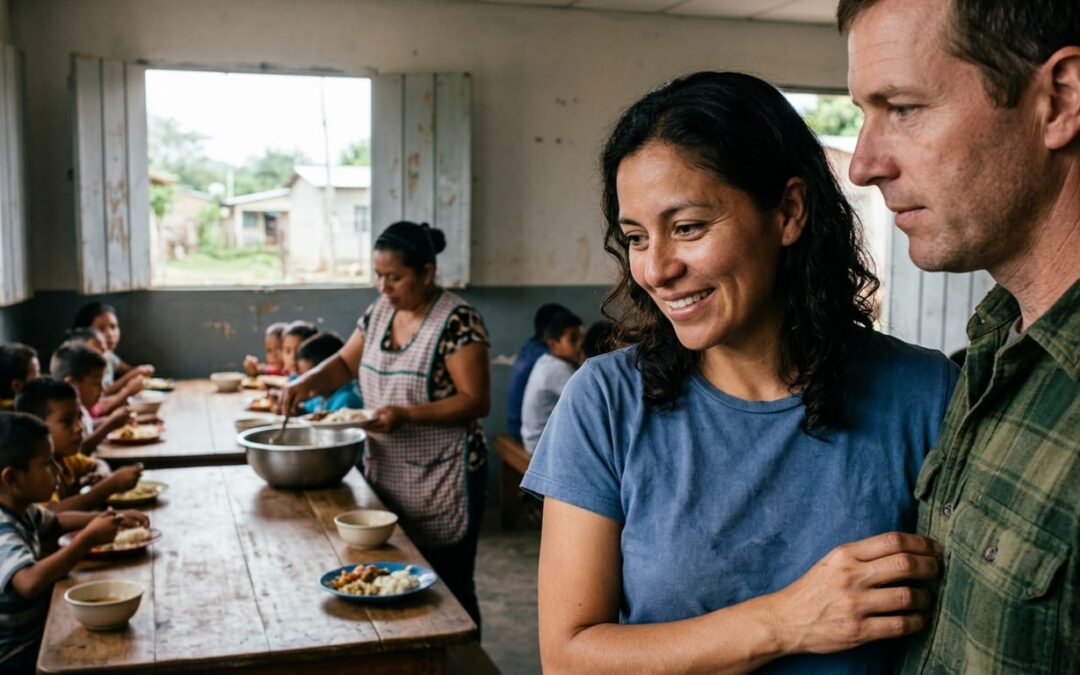
People donate to causes because giving connects them to something larger than themselves – a sense of purpose, a shared value, or a community they want to protect. Caring about the cause is consistently the most powerful motivator: among U.S. adults who donated in the past year, caring about the cause was the top reason cited, at 60%, according to YouGov. Understanding what drives your own generosity is what separates a one-time impulse from a giving practice that sustains itself for years.
Impact Others Inc. has worked with donors who have arrived at exactly that question – people who give regularly and want their generosity to feel grounded in something real, not just reactive.
What Are the Real Reasons People Give to Charity?
The most honest answer is that people give for a mix of reasons, and those reasons shift over time. Researchers and donors themselves point to several core motivations:
- Caring about the cause itself. This is the most common driver. The Charities Aid Foundation's 2025 World Giving Index found that 65% of donors globally cited caring about the cause as their primary reason for giving. When someone has a personal connection – a family member affected by hunger, a memory of a community without clean water – the cause stops being abstract.
- Believing the gift makes a difference. The 2025 Bank of America Study of Philanthropy found that a significant share of donors gave because they believed their gift could make a measurable difference, and a majority gave consistently because they believed in the organization's mission. Donors who feel their contribution is visible and purposeful give more consistently.
- Giving back to a community. A meaningful share of donors in the same Bank of America study cited giving back to their community as a motivation. For many, this extends beyond their own zip code to communities they have never visited but feel responsible toward.
- Connection to others who give. People who donate often describe a social dimension – a friend who introduced them to a cause, an event where they heard a story that moved them, or a community of givers who share their values.
- Personal meaning and legacy. For donors at a particular stage of life, giving becomes part of how they define themselves. The motivation is less about the transaction and more about the kind of person they want to be – and the kind of world they want to leave behind.
- Feeling connected to the cause. A CAF America survey found that 67% of donors said they are almost always motivated to give because they feel connected to their chosen causes – not because of a campaign, but because of a genuine, ongoing relationship with the work.
None of these motivations are better than the others. But knowing which one is yours changes how you give.
How Does Understanding Your Motivation Help You Give More Purposefully?
Donors who give with a clear sense of purpose tend to give more consistently over time. The difference between an impulse donation and a purposeful one is not the dollar amount – it is whether the giving aligns with something you actually believe.
When giving aligns with personal values, it creates a stronger sense of meaning than a reaction to a news story or a social media campaign. That is not a criticism of emotional giving; it is an observation that emotion without grounding tends to fade. A donor who gives because a cause moved them once may not give again. A donor who has identified what they care about – food security, clean water, education, orphan care, economic opportunity – and found an organization that works in that space will return, deepen the relationship, and often increase their giving over time.
Mindy Tibbs, an Impact Others Inc. partner for about four years, described this shift plainly: "When I think about Impact Others, I picture my own children in a third-world country. If a business owner had the answer to what my child needed – whether it was clean water from a well, a sewing center, food, an orphanage, housing, or any of the other life-changing resources – would they give? That's why I partner with Impact Others. It's making a real difference. It's creating an impact beyond myself, beyond my business, and investing in what truly matters: impacting others."
That move – from abstract generosity to a personal frame – is what purposeful giving looks like in practice. It is not about giving more. It is about giving with intention.
What Stops People From Finding That Purpose in Their Giving?
The most common barrier is not a lack of compassion. It is a lack of trust, and a sense that the donation disappears into an organization the donor cannot see or verify.
The 2025 World Giving Index found that a substantial share of people said they would be more likely to donate if they knew more about how their money would be spent, and a similar share said the same about knowing the impact the charity might have. Donors want to know their generosity reaches the people they intended to help – and when that connection is unclear, even motivated givers pull back.
This is why tangibility matters so much. A donor who can point to a specific project – a feeding center in Honduras, a water cistern in the mountains, an orphanage in Nigeria – gives with a different quality of confidence than one who sends money into a general fund. When choosing a humanitarian charity that matches your values, the ability to see the work – literally or through documentation – is one of the clearest signals that an organization is worth trusting.
Rob and Bernice, donors who chose Impact Others as their giving partner, described what shifted their confidence: "After meeting Eddie and seeing the integrity, the sustainability, and the boots-on-the-ground work – drilling wells, supporting feeding centers, and creating sewing centers – we decided to become partners. Their integrity and their desire to help people around the world who are living in unfortunate circumstances really connect with us."
That firsthand visibility is what converts a skeptical, well-meaning donor into a committed one.
How Does Monthly Giving Change the Relationship With a Cause?
Monthly giving allows donors to build an ongoing relationship with the cause they care about rather than treating generosity as a single transaction. The difference is structural, but the effect is psychological: a recurring commitment changes how a donor thinks about the cause. It becomes part of their identity, not just their giving history.
Monthly nonprofit giving also tends to produce more consistent outcomes for the projects being funded. Feeding centers, water projects, and orphanage support all require sustained resources, not periodic surges. A donor who gives monthly is not just more financially reliable – they are more emotionally invested, more likely to follow the project's progress, and more likely to deepen their involvement over time.
One donor who visited an Impact Others project site in Honduras described the transformation that comes from stepping out of the transactional mindset entirely: "I feel like it's very difficult to have a complete understanding until you physically put your hands on it… I think I spent my first night crying. I woke up the next morning and cried after hearing John's stories, getting to meet kids at the first feeding center, experiencing things firsthand… if you have an opportunity to contribute, contribute. Anything and everything you can give will go to the utmost use here."
That depth of connection does not come from a donation receipt. It comes from a relationship with the cause – one that monthly giving helps sustain.
What Makes a Giving Practice Feel Personally Meaningful Over Time?
Sustained, meaningful giving rests on three things working together: a cause that genuinely matches your values, an organization you trust, and a way of giving that keeps you connected to the outcome.
When those three align, giving stops feeling like an obligation and starts feeling like a practice – something that reflects who you are and what you believe. That is the shift most donors who give regularly describe. The cause is no longer something they support. It is something they are part of.
Impact Others Inc. connects everyday supporters with humanitarian work around the world, giving each gift a clear purpose and a real outcome to stand behind. For donors who want to move from generosity as a habit to generosity as an identity, the path usually starts with understanding their own motivation – and then finding the work that matches it.
If that connects with you, the Compassion Donors community is one place where that kind of purposeful, ongoing giving finds a home alongside others who share the same conviction.
To learn more about the projects your giving supports, reach out directly. The team at Impact Others Inc. welcomes the conversation: call 2196780669, email info@impactothers.com, or write to 5885 Cumming Hwy Ste 108347, Sugar Hill, GA 30518.